
How To Keep A Brisket Warm After Slicing – Ocean Recipes
How To Keep A Brisket Warm After Slicing? Cooking a brisket is a labor of love that requires patience and skill, but the journey doesn’t end with the final slice. Once you’ve meticulously prepared and expertly sliced your mouthwatering brisket, the next crucial step is to keep it warm. This seemingly simple task holds immense importance as it directly impacts the quality, tenderness, and flavors of the meat. A perfectly cooked brisket is a result of hours of slow cooking, allowing the connective tissues to break down and infusing the meat with rich flavors.

However, the moment you cut into it, the exposure to air begins the process of cooling and dehydration. If not properly maintained, your once succulent brisket could turn dry and lose its delicate taste. By keeping the brisket warm after slicing, you can preserve the tenderness and juiciness that you worked so hard to achieve during the cooking process. This way, each bite will still be packed with delightful flavors and moist textures that your guests or family members will savor and remember. In this article, we will guide you through the essential techniques and methods to ensure your brisket stays warm and delicious until the very last bite. Let’s dive in!
Table of Contents
Understanding the Ideal Temperature Range:
- To fully appreciate the significance of keeping a brisket warm after slicing, it’s important to understand the recommended internal temperature for a perfectly cooked brisket. Generally, a brisket is considered perfectly cooked when its internal temperature reaches around 195-205°F (90-96°C). At this temperature range, the collagen in the meat has broken down, resulting in a tender and moist texture.
- However, once the brisket is sliced, it becomes more susceptible to cooling down rapidly and drying out. The high collagen content in brisket is what contributes to its tenderness, but it also holds moisture. When the meat cools down, this collagen begins to re-solidify, causing the moisture to be expelled from the meat fibers. As a result, the brisket can become dry and tough, diminishing the overall eating experience.
- Maintaining a warm temperature is crucial because it helps to prevent this moisture loss and the subsequent drying out of the meat. By keeping the brisket warm, you slow down the re-solidification of collagen, allowing the juices to remain locked within the meat fibers. This preserves tenderness and succulence, ensuring that each slice of brisket remains moist and flavorful.
- In addition to moisture retention, a warm temperature also helps to enhance the flavors of the brisket. Heat promotes the release and diffusion of aromatic compounds in the meat, intensifying its taste and aroma. By keeping the brisket warm, you’re able to preserve and amplify these flavors, elevating the overall dining experience.

Brisket Preparation and Slicing:
- Before we delve into the methods of keeping a sliced brisket warm, let’s briefly touch upon the cooking process leading up to slicing. A brisket is traditionally cooked low and slow, often through methods like smoking, braising, or slow-roasting. This extended cooking time allows the tough connective tissues in the meat to break down, resulting in a tender and flavorful brisket.
- Once your brisket has reached the desired internal temperature and has rested for a suitable period, it’s time to slice it. Slicing the brisket correctly is crucial not only for presentation but also for ensuring even portions and maximizing tenderness.
- Here are some tips on how to properly slice a brisket:
- Allow the cooked brisket to rest for at least 15-30 minutes before slicing. This allows the juices to redistribute, ensuring a moist and tender result.
- Identify the direction of the meat’s grain, which refers to the long, parallel fibers running through the brisket. Slice against the grain for optimal tenderness. Cutting across the grain helps shorten the meat fibers, making each bite more tender and easier to chew.
- A sharp slicing knife or a long, serrated knife works best for cutting through the brisket. A sharp knife ensures clean and precise cuts, minimizing any tearing or shredding of the meat.
- Aim for slices that are about ¼ to ½ inch thick. Consistent thickness ensures that each portion of brisket has a similar texture and doneness.
- If desired, trim any excess fat from the surface of the brisket before slicing. This allows for a leaner final product, and the fat can be discarded or saved for other uses.
By following these tips, you can ensure that each slice of your brisket is tender, evenly portioned, and visually appealing. Now that you’ve mastered the art of slicing, let’s explore the techniques to keep your brisket warm after it’s been cut.
Techniques for Keeping Brisket Warm
Wrapping your sliced brisket in foil is a simple yet effective method to help retain heat and moisture, ensuring that it stays warm and juicy. Here’s how to tightly wrap the sliced brisket in foil:
1# Prepare the Foil:
Tear off a large sheet of aluminum foil that is sufficient to wrap the entire quantity of sliced brisket.
2# Place the Slices on the Foil:
Lay the slices of brisket on the center of the foil sheet, arranging them in a single layer. Be careful not to overlap the slices too much to allow for even heating.
3# Fold the Foil:
Bring the long sides of the foil together over the brisket slices, creating a seam in the center. Fold the edges tightly to seal the packet, ensuring no steam or heat escapes.
Seal the ends: Fold the shorter ends of the foil over the brisket slices, sealing them tightly to create a complete seal. This helps to trap the heat and moisture inside, preventing the brisket from drying out.
The Importance of Wrapping Briske:
- The foil acts as an insulator, effectively trapping heat around the brisket. This helps to maintain a warm temperature, preventing rapid cooling.
- Foil creates a barrier that helps to retain the natural juices and moisture within the brisket. This helps to prevent the meat from drying out, ensuring each slice remains tender and succulent.
- Wrapping the brisket in foil not only helps to keep it warm but also makes it easier to transport or store for later use. The foil provides an additional layer of protection during transportation, keeping the brisket at a safe temperature.
- For added insulation and prolonged warmth, consider using multiple layers of foil. Simply wrap the brisket in an additional sheet or two of foil, repeating the same folding and sealing process as before. This extra layering can help to further insulate the meat and extend its warm temperature.
- By tightly wrapping your sliced brisket in foil, you can maintain its warmth, tenderness, and flavor until it’s time to serve. However, there are other techniques you can employ to keep your brisket warm, which we’ll explore in the following sections.
Should I Put my Brisket in a Cooler?
- An insulated cooler is another excellent option for keeping your sliced brisket warm. Here’s a guide on how to prepare an insulated cooler:
- Before placing the sliced brisket inside, fill the cooler with hot water and let it sit for a few minutes. This helps to warm up the interior of the cooler, creating a favorable environment for maintaining the temperature of the brisket.
- Empty out the hot water from the cooler and thoroughly dry the interior. Removing excess moisture ensures that the brisket doesn’t become soggy or lose its texture.
- Line the bottom of the cooler with towels or newspaper to provide additional insulation and prevent direct contact between the cooler and the foil-wrapped brisket. This helps to maintain the warmth of the meat.
- Carefully place the foil-wrapped brisket into the insulated cooler. Ensure that there is enough space to avoid squishing the brisket, which can affect its texture.
Benefits of Using a Cooler to Keep Your Brisket Warm:
1# Excellent insulation:
Insulated coolers are designed to retain temperature, whether hot or cold. The thick walls and insulation materials help to trap heat, creating a warm environment that keeps the brisket at the desired temperature for an extended period.
2# Portability:
A cooler is highly portable, making it a convenient option for picnics, tailgating, or other outdoor events. It allows you to transport your sliced brisket while keeping it warm and ready to serve.
3# Versatility:
Insulated coolers can also be used in combination with other methods, such as foil wrapping or using hot bricks or towels, to further enhance heat retention and maintain the temperature of the brisket.
Utilizing an Electric Food Warmer: 

An electric food warmer provides a convenient and controlled method for keeping your sliced brisket warm. Here’s how to utilize an electric food warmer:
1# Set up the warmer:
Place the electric food warmer on a stable and heat-resistant surface. Make sure it’s in a well-ventilated area and follow the manufacturer’s instructions for assembly and operation.
2# Preheat the warmer:
Before placing the sliced brisket inside, preheat the electric food warmer according to the instructions. This ensures that the surface of the warmer is at the desired warm temperature.
3# Arrange the brisket:
Carefully place the foil-wrapped slices of brisket onto the surface of the food warmer, making sure they are evenly spaced and not overcrowded. Maintain a single layer or stack the slices gently, depending on the size and capacity of the food warmer.
[su_button url=”https://amzn.to/3JLm2mL” background=”#2a6bb4″ size=”5″ wide=”yes” center=”yes” icon=”icon: amazon”]Buy Now On Amazon[/su_button]
[su_divider divider_color=”#cd691b” link_color=”#cd691b”]
Employing Chafing Dishes or Steam Tables: 
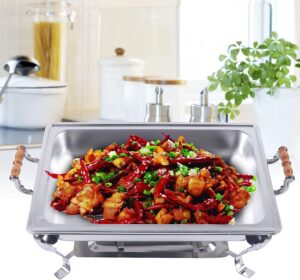
Chafing dishes and steam tables are commonly used in catering and buffet settings to keep food warm for extended periods. Here’s how to set up and use chafing dishes or steam tables for your sliced brisket:
1# Set up the equipment:
Place the chafing dishes or steam tables on a sturdy and level surface. Follow the manufacturer’s instructions for assembly and safety guidelines.
2# Add water to the water pans:
Most chafing dishes and steam tables come with a water pan. Fill the water pan with hot water, but ensure that it doesn’t overflow or come into direct contact with the brisket. The hot water creates steam, which helps to maintain moisture and heat around the brisket.
3# Place the heat source:
In chafing dishes, a fuel source like Sterno or electric heating elements is used. Position the fuel source in the designated area of the chafing dish or connect the electric heating elements to a power source. For steam tables, the heating elements are built-in and may require you to adjust the temperature settings.
4# Arrange the sliced brisket:
Place the foil-wrapped slices of brisket in the chafing dishes or steam table pans, ensuring they are spread out in a single layer. Avoid overcrowding to allow for even heat distribution.
[su_button url=”https://amzn.to/3OaHIeZ” background=”#2a6bb4″ size=”5″ wide=”yes” center=”yes” icon=”icon: amazon”]Buy Now On Amazon[/su_button]
[su_divider divider_color=”#cd691b” link_color=”#cd691b”]
Benefits of Using Chafing Dishes or Steam Tables:
1# Temperature control:
Chafing dishes and steam tables offer temperature control features, allowing you to adjust and maintain the desired heat level. This helps to keep the brisket warm without risking overheating or drying it out.
2# Large capacity:
Chafing dishes and steam tables have ample space, making them suitable for catering events or larger gatherings where you need to keep a substantial amount of sliced brisket warm and ready for serving.
3# Presentation:
These equipment options provide an elegant and professional presentation for your sliced brisket. The polished appearance of chafing dishes or the steam rising from steam tables adds a touch of sophistication to your dining setup.
Monitoring and Maintaining Temperature of Brisket
After employing one of the techniques mentioned earlier to keep your sliced brisket warm, it’s crucial to monitor the temperature to ensure food safety and optimal quality. Here’s why monitoring the temperature during storage is essential:
1# Food safety:
Sliced brisket, like any perishable food, can be susceptible to bacterial growth if left at unsafe temperatures for too long. Monitoring the temperature helps to ensure that the brisket remains within the safe temperature range (below 40°F/4°C or above 140°F/60°C) to prevent the growth of harmful bacteria.
2# Quality control:
While maintaining food safety is paramount, monitoring the temperature also allows you to assess the quality of the sliced brisket. It helps you ensure that the meat remains moist, tender, and flavorful, providing the best dining experience for your guests.
Temperature Check:
To check the temperature periodically, consider the following advice:
1# Use a food Thermometer:
Invest in a reliable food thermometer to accurately measure the internal temperature of the brisket. Insert the thermometer probe into the center of a few slices, ensuring it reaches the thickest part of the meat. It’s important to follow the manufacturer’s instructions for proper usage of the thermometer.
2# Take multiple readings:
Check the temperature in different areas of the brisket to ensure that the entire batch is at the desired temperature. This helps identify any potential hot or cool spots and allows you to make necessary adjustments to maintain even warmth.
3# Maintain proper storage conditions:
If using a method like foil wrapping or an insulated cooler, ensure that the storage environment remains sealed and insulated. Avoid opening the foil or cooler frequently, as it can cause temperature fluctuations and compromise the effectiveness of the chosen method.
How To Keep A Brisket Warm After Slicing? -General Recommendations:
- As for how long you can keep the sliced brisket warm, it’s important to balance food safety and quality. Here are some general recommendations:
- If you plan to serve the sliced brisket within a few hours, you can reasonably keep it warm using the mentioned techniques. Remember to monitor the temperature periodically and ensure it stays within the safe temperature range.
- If you need to keep the sliced brisket warm for a more extended period, such as for a catering event or buffet, it’s recommended to limit the time to no more than four hours. Beyond this time frame, the risk of bacterial growth increases, and the quality of the brisket may start to decline.
- To maintain the best quality and safety, consider replenishing the sliced brisket with freshly cooked and hot portions if the storage time exceeds the recommended limits. This ensures that your guests or customers are always served with the highest standards of taste and food safety.
- Remember, it’s always important to prioritize food safety and follow local health regulations when storing and serving food.
Conclusion:
Keeping sliced brisket warm after slicing is crucial to preserving its tenderness and flavor. Whether you choose to wrap it in foil, use an insulated cooler, employ an electric food warmer, or utilize chafing dishes or steam tables, these techniques help maintain the desired temperature and prevent the meat from drying out. By understanding the ideal temperature range for a perfectly cooked brisket and the importance of warm temperatures in preventing the meat from drying out, you can ensure that your sliced brisket remains delicious and enjoyable. Preparing the brisket properly and slicing it evenly are important steps in the process. Wrapping it tightly in foil helps retain heat and moisture, while using multiple layers adds extra insulation. Using an insulated cooler allows for portability and keeps the brisket warm while on the go. Electric food warmers provide controlled heat, and chafing dishes or steam tables offer large capacity and elegant presentation.
Furthermore, it is essential to monitor the temperature during storage to maintain food safety and quality. Regularly check the temperature using a food thermometer and follow proper storage conditions. For extended storage, limit the time to no more than four hours to ensure optimal quality and safety. By following these techniques and recommendations, you can successfully keep your sliced brisket warm, preserving its tenderness and flavors until it is time to serve and enjoy.


