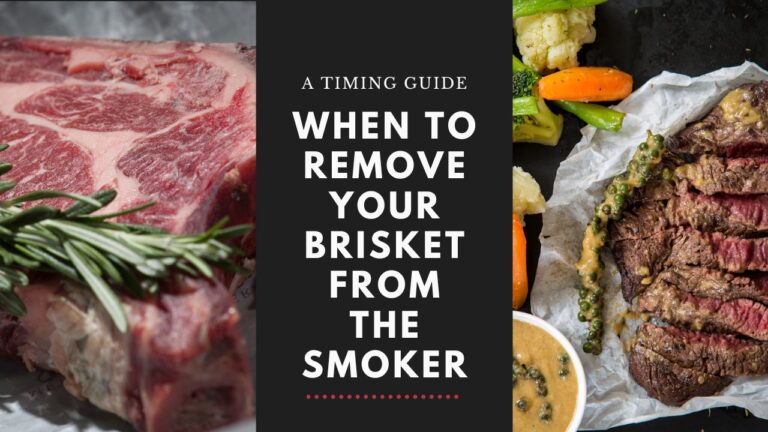
How To Smoke Meat For First Time – A Guide To Smoking Meat
How To Smoke Meat For First Time? Smoking meat is an age-old culinary technique that has gained immense popularity among food enthusiasts and grill masters alike. By subjecting meat to the slow, low-temperature process of smoking, a magical transformation occurs, resulting in irresistibly tender and flavorful dishes that will leave your taste buds craving for more. The art of smoking meat involves cooking it in a controlled environment, often using a smoker, where the meat is exposed to flavorful smoke generated by burning wood chips, chunks, or pellets.
Furthermore, this process not only infuses the meat with smoky aromas but also imparts a distinct taste and tenderness that cannot be replicated through other cooking methods. What sets smoking apart is the marriage between heat, smoke, and time. The gentle heat breaks down collagen and connective tissues, transforming tough cuts of meat into moist, succulent bites. Additionally, the smoky flavors from the wood penetrate the meat, enhancing its taste profile with layers of complexity and depth.

Whether you’re a barbecue aficionado or a novice looking to embark on your first smoking adventure, mastering the art of smoking meat opens up a world of culinary delights. From juicy racks of ribs and mouthwatering briskets to delectable chicken and even vegetables, the possibilities are endless. So, fire up your smoker, embrace the art of smoking, and prepare yourself for a culinary journey filled with tender, flavorful, and downright delicious smoked meats. Here, we will guide you through the essential steps to ensure your first smoking experience is a resounding success. Get ready to elevate your barbecue game to new heights!
Table of Contents
How To Smoke Meat For First Time?
Smoking is a cooking technique that involves slow-cooking meat at low temperatures over a period of time using smoke generated from burning wood. It goes beyond simply grilling or roasting, as the focus is on infusing the meat with smoky flavors and achieving a tender texture.
When it comes to smokers, there are several types available, each with its own unique characteristics:
Charcoal Smokers:
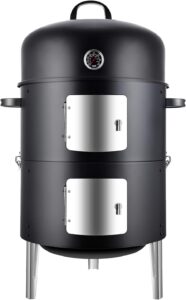
These smokers use charcoal as the primary fuel source. They offer excellent heat retention and the ability to add wood chips or chunks directly to the charcoal for smoke generation. Charcoal smokers provide traditional smoky flavors and are favored by purists for their authenticity.
[su_button url=”https://amzn.to/3NP1gny” background=”#2a6bb4″ size=”5″ wide=”yes” center=”yes” icon=”icon: amazon”]Buy Now On Amazon[/su_button]
[su_divider divider_color=”#cd691b” link_color=”#cd691b”]
Electric Smokers:
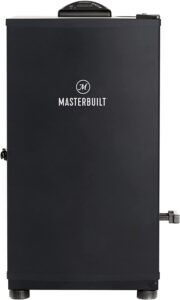
Electric smokers are convenient and easy to use. They rely on electricity to heat up an element that produces the smoke. They offer precise temperature control, making them ideal for beginners. However, some enthusiasts argue that electric smokers may lack the intensity of flavor achieved by other types.
[su_button url=”https://amzn.to/3XTteTY” background=”#2a6bb4″ size=”5″ wide=”yes” center=”yes” icon=”icon: amazon”]Buy Now On Amazon[/su_button]
[su_divider divider_color=”#cd691b” link_color=”#cd691b”]
Pellet Smokers:

Pellet smokers utilize wood pellets as fuel. They feature a hopper that automatically feeds the pellets into a firebox, generating both heat and smoke. Pellet smokers offer versatility and convenience, as they allow for precise temperature control and the option to use a variety of wood pellets for different flavors.
[su_button url=”https://amzn.to/43nHuW2″ background=”#2a6bb4″ size=”5″ wide=”yes” center=”yes” icon=”icon: amazon”]Buy Now On Amazon[/su_button]
[su_divider divider_color=”#cd691b” link_color=”#cd691b”]
Offset Smokers:
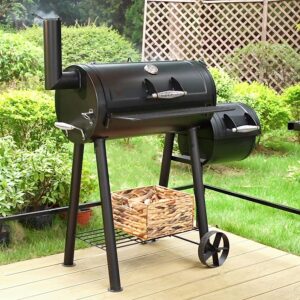
Offset smokers consist of a firebox attached to the side of the main cooking chamber. The firebox generates smoke and heat, which then circulates into the cooking chamber, providing indirect heat for the meat. Offset smokers are popular among barbecue enthusiasts for their traditional design and the ability to create mouthwatering, smoky meats.
[su_button url=”https://amzn.to/3XP1qzS” background=”#2a6bb4″ size=”5″ wide=”yes” center=”yes” icon=”icon: amazon”]Buy Now On Amazon[/su_button]
[su_divider divider_color=”#cd691b” link_color=”#cd691b”]
A Guide to Choosing the Right Type of Wood:
Selecting the right type of wood for smoking is crucial, as it greatly influences the flavors imparted to the meat. Here are some popular wood options:
Mesquite:
Known for its strong, bold flavor, mesquite wood is commonly used for smoking beef, particularly in Texas-style barbecue. It burns hot and fast, so it’s best used in moderation or blended with other woods.
Hickory:
Hickory is a classic choice that offers a robust, smoky flavor. It pairs well with pork, ribs, and bacon, providing a rich and slightly sweet taste profile.
Fruitwoods
Fruitwoods offer a milder, sweeter smoke that complements poultry, pork, and fish. They provide a delicate and fruity aroma without overpowering the meat.
Oak:
Oak is a versatile wood that imparts a medium smoky flavor. It works well with a variety of meats, including beef, pork, and poultry. Oak provides a balance of flavors without dominating the meat’s natural taste.
Remember, the choice of wood depends on personal preference and the type of meat being smoked. It’s always recommended to experiment with different woods to find the flavors that suit your palate best.
How to Smoke Meat at Home?
Choosing Meat – Professional Secrets
- When it comes to smoking meat, certain cuts are better suited to the slow-cooking process. Here are some excellent choices for smoking:
- Brisket is a popular and challenging cut that, when smoked correctly, results in tender and flavorful slices. Look for a well-marbled piece with good thickness for optimal results.
- Whether its baby back ribs or spare ribs, smoking them infuses a smoky, melt-in-your-mouth goodness. Choose meaty racks with good marbling for succulent and delicious ribs.
- Smoking chicken imparts a delightful smoky flavor while keeping the meat moist and juicy. Whole chickens, chicken thighs, or even chicken wings are great options for smoking.
Choosing the Right Type of Meat for Your Meal – Tips
Quality:
Choose fresh, high-quality meat from a reputable source. Look for good marbling and avoid meat with an excessive amount of fat or visible defects.
Size:
Consider the size of your smoker and the cooking time required. Ensure the meat fits comfortably in the smoker without overcrowding.
Thickness:
Opt for cuts of meat with a consistent thickness. This helps ensure even cooking and prevents parts from drying out.
Before you begin smoking, there are a few essential steps to prepare the meat for optimal results:
- Trim any excess fat from the meat, as excessive fat can prevent the smoke from penetrating the meat properly. Leave a thin layer of fat to keep the meat moist during the cooking process.
- Pat the meat dry with paper towels to remove any moisture. This helps the seasoning adhere better and promotes better bark formation—a flavorful crust that develops during smoking.
- Consider marinating the meat or applying a dry rub to enhance its flavor. Marinating allows the flavors to penetrate the meat, while a dry rub forms a tasty crust. Choose marinades or rubs that complement the meat and the smoky flavors you desire.
Allow the meat to rest at room temperature for about 30 minutes after seasoning to let the flavors penetrate. This also helps the meat cook more evenly.
How to Smoke Meat Like a Pro
To ensure a successful smoking session, it’s important to properly clean and season your smoker before use:
Cleaning:
Remove any leftover ash, grease, or debris from previous sessions. Clean the cooking grates and racks using a grill brush or a suitable cleaning tool.
Seasoning:
Seasoning the smoker involves coating the interior surfaces with a thin layer of oil. This helps prevent rust and creates a non-stick surface. Follow the manufacturer’s instructions for your specific smoker model.
Ventilation:
Ensure the smoker’s vents or dampers are open to allow for proper airflow.
Fuel:
Add the appropriate amount of charcoal, wood chips, pellets, or any other fuel source recommended for your smoker. Follow the manufacturer’s instructions for the specific amount.
Ignition:
Ignite the fuel according to the smoker’s instructions. For charcoal smokers, use a chimney starter or starter cubes to light the charcoal. Electric or pellet smokers usually have an ignition button or switch.
Temperature:
Set the smoker to the desired temperature. Different types of meat require different smoking temperatures, but a general range is usually between 225°F (107°C) and 275°F (135°C). Refer to smoking recipes or guides for specific temperature recommendations.
The Smoking Process
Adding wood chips, chunks, or pellets is essential for generating the flavorful smoke that permeates the meat during the smoking process. Here’s how to add wood to your smoker:
- If you’re using wood chips, soak them in water for about 30 minutes before adding them to the smoker. Soaking helps slow down the burning process and produces more smoke. Drain the wood chips before adding them to the smoker box or foil pouch.
- Wood chunks or pellets can be added directly to the smoker without soaking. These larger pieces of wood provide a longer-lasting and more consistent smoke. Place them on top of the charcoal or in a designated wood chip box or tray in your smoker.
Properly positioning the meat in the smoker ensures even cooking and allows for easy monitoring. Consider the following guidelines:
- Place the meat on the cooking grates, ensuring there is enough space between each piece for air circulation. Avoid overcrowding the smoker, as this can result in uneven cooking.
- Insert a meat thermometer into the thickest part of the meat, away from any bones. This allows you to monitor the internal temperature throughout the smoking process. Different types of meat have specific temperature targets for doneness, so refer to cooking guides or recipes for recommended temperatures.
How to Maintain the Smoke?
Consistent smoke production is crucial for infusing meat with rich flavors. Here are some tips to maintain the ideal smoking conditions:
Smoke Production:
Ensure that your smoker continues to produce a steady stream of smoke. If using a charcoal smoker, periodically add more wood chips or chunks to the charcoal bed to sustain smoke production. Electric and pellet smokers usually have mechanisms to automatically feed wood pellets for continuous smoke.
Tending to the Fire:
Keep an eye on the fire or heating element in your smoker. Maintain the desired temperature by adjusting the airflow through the vents or dampers. Opening them allows for more oxygen, resulting in a hotter fire and increased smoke production.
Avoid Over Smoking:
While smoke adds fantastic flavors, too much smoke can make the meat taste bitter or acrid. Be mindful not to over smoke by using excessive wood or keeping the smoke too dense. Find a balance and adjust the amount of wood based on your personal preference and the type of meat being smoked.
Remember to periodically check the wood levels and adjust as needed to maintain consistent smoke production throughout the smoking process. The goal is to achieve a steady flow of thin, wispy smoke rather than thick billowing smoke. By adding wood, positioning the meat properly, and maintaining smoke production, you’ll create a delectable smoky flavor in your meat that will have everyone eagerly awaiting the end result.
How to Monitor Your Smoke
Temperature Control
Maintaining a consistent temperature is crucial for successful smoking. Here’s what you need to know:
Consistency:
Fluctuations in temperature can result in uneven cooking or prolonged cooking times. Aim to keep the smoker’s temperature within the desired range throughout the smoking process.
Airflow Control:
Adjust the vents or dampers on your smoker to regulate the airflow. Opening the vents allows for increased oxygen, raising the temperature while closing them reduces airflow and lowers the temperature. Make gradual adjustments and monitor the impact on temperature before making further changes.
How to Check Your Meat is Cooked Properly?
Regularly monitoring the internal temperature of the meat ensures it cooks to the desired level of doneness. Here’s what to keep in mind:
Importance of Temperature:
Different types of meat have specific temperature targets for optimal doneness and safety. Use a meat thermometer to check the internal temperature and ensure it reaches the recommended range.
Cooking Times and Temperatures:
The cooking time varies depending on the size and type of meat being smoked. Here are approximate temperature guidelines for common smoked meats:
Brisket:
Cook until the internal temperature reaches around 195°F to 205°F (90°C to 96°C), with a probe tenderness test indicating a buttery texture.
Ribs:
Baby back ribs typically cook for 4 to 6 hours at around 225°F to 250°F (107°C to 121°C). Spare ribs may take longer, around 5 to 7 hours.
Chicken:
Smoke chicken until the internal temperature reaches 165°F (74°C) in the thickest part of the meat, usually taking 2 to 3 hours, depending on the cut and size.
Remember, these are general guidelines, and individual cooking times may vary. Always refer to specific recipes or smoking guides for accurate temperature and cooking time recommendations.
Wrapping and Resting:
During the smoking process, wrapping the meat in foil or butcher paper can help retain moisture and enhance tenderness. Here’s what to do:
Wrapping:
When the meat reaches a specific internal temperature or achieves the desired bark formation, you can choose to wrap it. Wrap the meat tightly in foil or butcher paper, creating a sealed package.
Benefits of Wrapping:
Wrapping helps accelerate the cooking process and prevents the meat from drying out. It also allows the flavors to concentrate and promotes tender results.
After smoking, it’s crucial to let the meat rest before serving.
How to Slice and Serve Smoked Meat?
To present your smoked meat in the best possible way, follow these guidelines:
- Slice the meat against the grain for maximum tenderness. This means cutting perpendicular to the direction of the muscle fibers. Use a sharp knife and make clean, even slices.
- Smoked meat shines on its own, but you can enhance the experience by pairing it with flavorful sauces, such as barbecue sauce or homemade glazes. Serve with classic barbecue sides like coleslaw, cornbread, or grilled vegetables for a complete meal.
- Remember, the joy of smoking meat lies in experimentation and personal preference. Don’t be afraid to try different techniques, flavors, and combinations to find what suits your taste buds best. Enjoy the fruits of your smoking labor and savor the deliciousness of perfectly smoked meat.
Conclusion:
Smoking meat is a culinary art that rewards patience and creativity. By understanding the basics of smoking, preparing the meat and the smoker, monitoring and adjusting during the cooking process, and following the wrapping and resting techniques, you can achieve tender, flavorful smoked meat that will delight your taste buds. Remember to select quality meat, experiment with different flavors, and maintain proper temperature control. Be open to learning from your experiences, and don’t hesitate to try new techniques and combinations. With each smoke, you’ll gain more confidence and expertise.
Now it’s time to embark on your own smoking adventure. Gather your equipment, select your favorite cuts of meat, and let the smoke work its magic. Enjoy the process, savor the aroma, and indulge in the mouthwatering results. Happy smoking!